
Table of Contents
- Why Patio Warranty Coverage Matters
- Understanding Patio Furniture Warranty Coverage by Material
- How Long Do Patio Furniture Warranties Last
- Patio Furniture Warranty Exclusions You Must Know
- How to File an Outdoor Furniture Warranty Claim
- Key Questions to Ask Before You Buy
- Manufacturer, Retailer, and Installation Warranties
- Frequently Asked Questions
Last Updated: October 12, 2026
Why Patio Warranty Coverage Matters
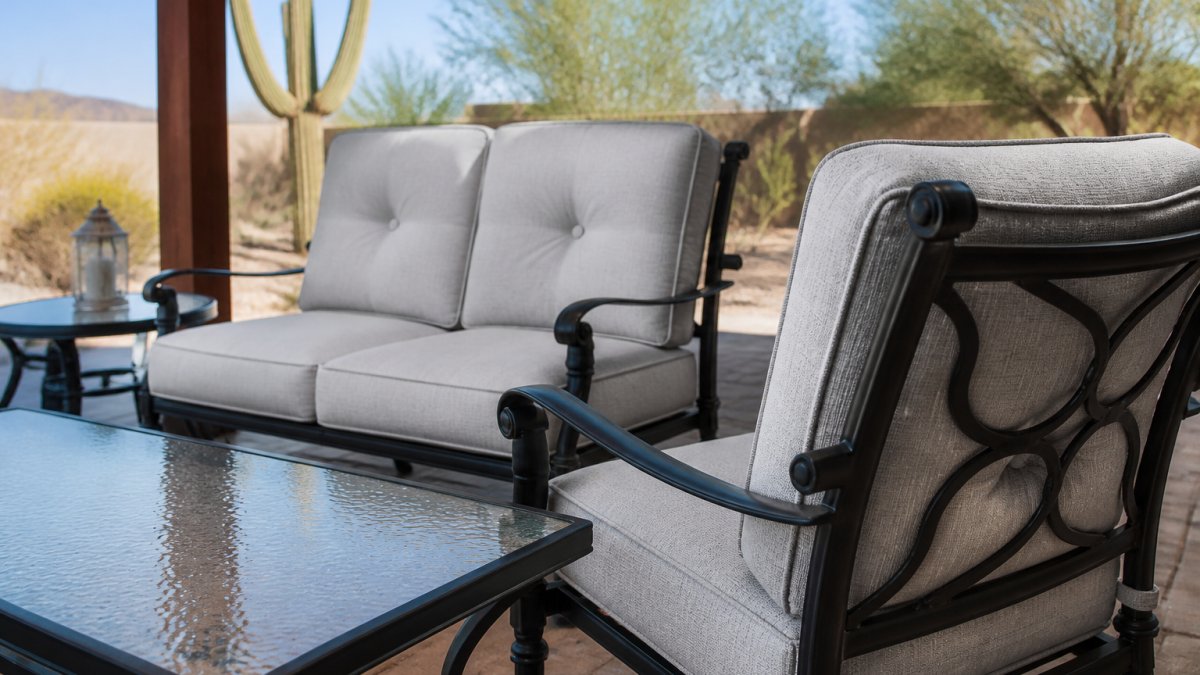
Patio warranties protect against defects, material failures, and workmanship issues. Most homeowners discover too late that their coverage excludes what they assumed it would: fading fabric, rust on frames, or structural failure.
At Molino Patio, we’ve spent over 30 years helping customers navigate these decisions.
Understanding Patio Furniture Warranty Coverage by Material
Different materials require different protection levels, and manufacturers structure warranties accordingly. The frame, cushions, glass, and screens each face distinct environmental threats, so knowing what’s covered per component helps you assess whether a warranty matches your needs.
Metal Frames and Structural Components
Metal frames, whether wrought iron, aluminum, or steel, are the backbone of patio furniture. Your warranty should explicitly cover defects in materials and workmanship on the frame structure itself, so if the metal cracks, welds fail, or joints separate due to manufacturing flaws, the manufacturer repairs or replaces the frame at no cost during the coverage period.
What most buyers miss is that frame warranties typically exclude corrosion and rust from environmental exposure. A steel frame left uncovered during monsoon season or exposed to salt air will corrode, but that’s classified as normal wear and tear, not a defect.
Cushions, Fabric, and Soft Goods
Cushions and fabric are the most vulnerable components. Most manufacturers offer limited warranties on cushions, commonly 1 to 5 years, because they’re exposed to sun, moisture, and use. Patio furniture warranty exclusions almost always include fading, discoloration, and UV-driven fabric deterioration.
Confirm whether the warranty covers seam failure, zipper breakage, or foam degradation during the stated period. A seam that splits after two years due to manufacturing defect should be covered, and foam that compresses unevenly is a workmanship issue worth protecting against.
Glass and Screens
Glass tabletops and screen panels are high-risk components. Your patio warranty should cover manufacturing defects in glass: bubbles, improper tempering, or edge flaws that cause spontaneous breakage.
Screens follow similar rules: a frame that warps or mesh that tears due to manufacturing defect is covered, while impact, improper cleaning, or normal use damage is not. The critical distinction is whether the warranty covers replacement of the entire screen panel or just repair.
How Long Do Patio Furniture Warranties Last
Warranty duration varies dramatically. Understanding the difference between limited warranties and lifetime coverage, and what “lifetime” actually means, protects you from expensive surprises.
Limited Warranties vs. Lifetime Coverage
Most patio furniture carries limited warranties ranging from 1 to 10 years. A 5-year limited warranty means the manufacturer covers defects for five years from the purchase date, then you’re responsible for repairs or replacement.
Lifetime warranties sound permanent, but they’re not. A lifetime warranty on a wrought iron furniture structure typically covers the original owner for as long as they own the product. If you sell the furniture, the warranty may transfer but could be downgraded or become non-transferable. The lifetime applies to the product’s useful life under normal use, not literally forever.
What Lifetime Warranty Actually Means
“Lifetime” doesn’t mean the manufacturer will replace your furniture after 20 years of use. It means they’ll cover manufacturing defects and structural failures during your ownership, assuming reasonable maintenance. Once you sell it or the product reaches the end of its practical service life, the warranty’s relevance ends.
Lifetime coverage also hinges on maintenance. If you never clean the furniture, store it improperly during winter, or ignore care instructions, the warranty may be voided, since the manufacturer can argue lack of maintenance caused the failure.
Patio Furniture Warranty Exclusions You Must Know
Exclusions are where warranties fail. Every patio warranty excludes certain damage types, and most are non-negotiable. Knowing them before you buy prevents the frustration of filing a claim only to be denied.
Normal Wear and Tear
This is the broadest exclusion category. Normal wear and tear includes deterioration from regular use and environmental exposure over time: cushions that compress after five years, fabric that thins, a finish that dulls.
The challenge is defining “normal.” Manufacturers use the term broadly to exclude almost anything gradual. If cushion foam compresses unevenly after one year, is that normal wear or a defect? If a frame develops surface rust after two years in Arizona heat, is that normal wear or inadequate material?
UV Exposure, Fading, and Discoloration
UV damage is almost universally excluded from patio furniture warranty coverage. Fading, discoloration, and chalking of paint or finish are considered environmental damage, not manufacturing defects, even when severe or uneven.
If UV protection matters to you, invest in a shade structure (pergola, umbrella, or cover) or choose materials engineered for UV resistance. Molino Patio’s wrought iron pieces are designed to withstand Arizona sun, but the finish will weather over time; that’s expected aging, not a warranty claim.
Improper Care, Storage, and Maintenance
If you don’t maintain your furniture per the manufacturer’s instructions, the warranty is typically void. This covers damage from neglect, improper cleaning, incorrect storage, or failure to follow care guidelines. If the manual says to store cushions indoors during winter and you leave them outside, claims for mold or deterioration will be denied.
This exclusion also covers damage from incompatible products. If you clean your frame with a corrosive chemical not recommended by the manufacturer and it damages the finish, that’s your responsibility. The warranty assumes basic care: regular cleaning, proper off-season storage, and use as intended.
How to File an Outdoor Furniture Warranty Claim
Filing a claim successfully requires preparation. Most denials happen because the claimant lacks documentation or doesn’t follow the manufacturer’s process correctly.
Documentation and Evidence You’ll Need
Gather evidence immediately when you notice a defect.
Keep your purchase receipt and warranty documentation. The receipt proves the purchase date, which determines whether the defect falls within the coverage period.
Retain any communication with the retailer or manufacturer before filing. If you contacted customer service or emailed about the issue, that documentation supports your claim timeline. Many manufacturers require notification within 30-90 days of discovering the defect, so prompt action matters.
Repair vs. Replacement and Cost Responsibility
Most warranties offer repair first, replacement second. The manufacturer attempts repair at no cost; if repair is impossible or the defect recurs, replacement becomes an option.
Understand cost responsibility before filing. Does the warranty cover parts only or parts and labor? A comprehensive patio furniture warranty covers parts, labor, and shipping; a basic warranty may only cover parts.
When you file, the manufacturer will likely request photos and may ask you to attempt basic troubleshooting before authorizing repair or replacement. Respond promptly and provide all requested documentation.
Key Questions to Ask Before You Buy
Before purchasing, ask these questions to evaluate the warranty’s real value:
What is the exact coverage period for each component? Get the specific duration for the frame, cushions, glass, and other components. Don’t accept “lifetime warranty” without asking whether it’s transferable and what “lifetime” means for this product.
What are the exclusions in writing? Request the full warranty terms, not a summary, and read the exclusions carefully. If normal wear and tear is excluded, ask the manufacturer to define it for your product type.
Who covers labor and shipping? Ask whether the warranty covers repair labor, shipping to the facility, and return shipping. These costs can exceed the product price, so clarify responsibility upfront.
Is the warranty transferable if you sell the furniture? If you plan to sell the furniture later, confirm whether the warranty transfers to the new owner and under what terms.
What’s the claim process and timeline? Ask how to file, how long approval takes, and how long repairs or replacement take. Request this in writing.
Are replacement parts available, and at what cost? If a component fails after the warranty expires, can you buy a replacement? Some manufacturers make parts available indefinitely; others discontinue them after a few years.
Does the warranty cover fading and UV damage? Since Arizona sun is intense, confirm explicitly whether fading and UV-related discoloration are covered. Most warranties exclude these, but clarifying upfront prevents disappointment.
Manufacturer, Retailer, and Installation Warranties
Patio furniture warranties come from three sources: the manufacturer, the retailer, and the installer.
Manufacturer warranties cover defects in materials and workmanship on the furniture itself: structural integrity, frame quality, cushion construction, and finish defects. This is the primary warranty.
Retailer warranties are sometimes offered as an add-on, typically covering accidental damage, theft, or loss.
Installation warranties apply when a professional installs or custom-builds a piece, covering workmanship, improper assembly, misaligned components, or installation defects.
When a problem occurs, identify which warranty applies. A frame that cracks from a manufacturing flaw is a manufacturer issue; a cushion that fails to attach due to incorrect installation is an installer issue; damage from improper use or lack of maintenance is typically your responsibility.
Evaluating patio furniture warranty coverage before you buy transforms how long your investment lasts and how stress-free ownership becomes.
Frequently Asked Questions
What’s typically covered under a patio furniture warranty?
Most patio warranties cover defects in materials and workmanship affecting the frame, joints, and structural integrity. Metal frames usually have longer coverage periods (often lifetime), while cushions, fabric, and soft goods typically carry 3-5 year limited warranties. Glass panels and screens may be covered separately. However, coverage varies by manufacturer, so always review the specific warranty terms. Normal wear and tear, UV fading, and damage from improper care are typically excluded.
How long do patio furniture warranties last?
Warranty periods depend on the component. Steel and wrought iron frames often come with lifetime coverage against defects in materials and workmanship. Cushions and fabric generally last 3-5 years. Some manufacturers offer limited warranties on the entire product for 1-3 years, with extended coverage on the frame. Always check whether the warranty is transferable if you plan to sell your home, and confirm whether it covers labor and replacement costs or just parts.
Does a patio furniture warranty cover fading from sun exposure?
No. UV exposure, fading, discoloration, and chalking are standard exclusions in almost all patio furniture warranties. These are considered normal weathering and atmospheric effects rather than defects. However, some premium materials resist fading better than others. If color retention matters to you, ask the retailer about material choices and UV-resistant finishes before purchase, and understand that warranty protection does not extend to cosmetic changes from sun exposure.
What should I do if my patio furniture has a warranty issue?
Contact the manufacturer or retailer with photos and documentation of the defect, plus your proof of purchase and warranty information. Describe the problem clearly and explain how it affects the furniture’s function or structural integrity. The company will assess whether it qualifies for repair or replacement. Keep all receipts, warranty cards, and delivery records. Response times vary, so ask about timelines upfront. Some warranties cover labor and shipping; others require you to cover these costs, so clarify responsibility before filing a claim.
What does improper care or storage do to my warranty coverage?
Improper care, storage, and maintenance are common warranty exclusions. Leaving furniture uncovered year-round, failing to clean and maintain it, or storing it in harsh conditions can void coverage. Most manufacturers recommend seasonal cleaning, occasional protective treatments, and proper off-season storage. Review the care instructions included with your furniture and keep records of maintenance you’ve performed. If a defect occurs and the manufacturer determines it resulted from negligence or improper care, your claim may be denied.
Is there a difference between manufacturer, retailer, and installation warranties?
Yes. The manufacturer’s warranty covers defects in the product itself and is issued by the company that made the furniture. The retailer may offer an additional service or extended warranty at purchase. An installation warranty covers the workmanship of assembly and setup. When buying, clarify which entity is responsible for each type of coverage and whether they coordinate or overlap. Some retailers handle claims on behalf of manufacturers; others require you to contact the maker directly.
Can I transfer a patio furniture warranty if I sell my home?
Transferability depends on the warranty terms. Some manufacturers allow lifetime frame warranties to transfer to the next owner if you provide proof of original purchase and ownership change. Others are non-transferable and end with the original buyer. Check the warranty document before you buy if ownership transfer matters to you. You may need to register the product with the manufacturer and provide documentation of the sale to activate the transfer. Always ask this question at purchase and request it in writing.
